Apple’s name has been in the headlines twice this week for two very different reasons. First there was the OpenAI lawsuit, and now a completely different story: as of yesterday, Apple overtook Nvidia to become the world’s most valuable publicly traded company. And the story behind this shift is more interesting than it looks at first glance.
What Happened
On Friday, July 17, Apple pulled ahead of Nvidia in market capitalization. At close, Apple was valued at roughly $4.88 trillion, Nvidia at about $4.86 trillion. The two companies actually swapped positions a few times throughout the day, so it’s not an overwhelmingly clear gap, but symbolically it matters. This is the first time Apple has reclaimed the title since April 2025. Nvidia had held the top spot since June 2025 and became the first company in history to cross $5 trillion in market cap back in October.
Nvidia’s stock dropped about 3.5% that day. This actually has little to do with Apple directly. The bigger picture is what matters here: the Philadelphia Semiconductor Index has fallen roughly 19% from its all-time high, and chip stocks are having one of their worst weeks in over a year. In other words, investors didn’t lose faith in Nvidia specifically, they started questioning whether the pace of AI infrastructure spending is sustainable.
Why Apple Climbed
Apple’s stock is up roughly 23% this year, gaining 15.7% in July alone. There are a few reasons behind it.
First, strong financial results. Apple’s holiday quarter revenue hit a record $143.8 billion, and the March quarter hit $111.2 billion, setting records across total revenue, iPhone revenue, earnings per share, and Services. China has also bounced back.
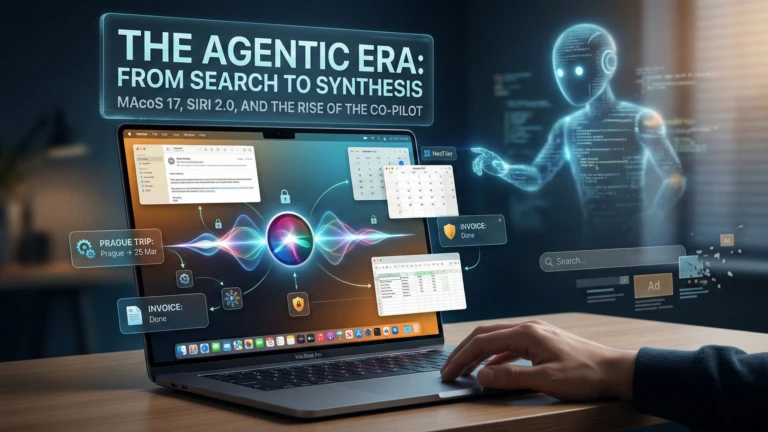
Second, and this is the genuinely interesting part, Apple’s AI strategy. While Microsoft, Google, Amazon, and Meta poured massive capital into AI infrastructure (data centers, chips, GPU clusters), Apple stayed out of that race almost entirely. Instead, it unveiled the new Siri AI at WWDC in June and kept leaning on a strategy of monetizing AI through products and services rather than infrastructure. Investors now appear to be rewarding that approach: a company that benefits from AI without the massive capital spending.
One investment firm summed it up well: Apple used to be seen as falling behind because it wasn’t investing in building models, but now sentiment has shifted, since Apple is less exposed to capital intensity and better positioned to monetize AI through its ecosystem.
Bonus: Tim Cook Is Stepping Down
There’s another development that’s gotten a bit buried under this news. Tim Cook is handing over the CEO role to John Ternus this September. The timing is notable: right as Apple’s stock hits new highs, there’s a leadership change at the very top. That’s a story on its own, so I’ll just leave a note about it here for now.
Bottom Line
For a year, Apple was criticized for “losing the AI race.” Now it’s being rewarded for exactly that, for not pouring massive capital into that race. Nvidia’s loss here has less to do with Apple’s gain and more to do with investors shifting their question from “who’s selling the GPUs” to “who’s actually making money from AI.” The gap between these two companies right now is only about $20 billion, so this title could easily flip again on the next trading day. But what it shows is clear: the market is now pricing companies based on who’s actually profiting, not who’s spending the most.
We’ll keep an eye on where this goes.

 Veysel Okatan