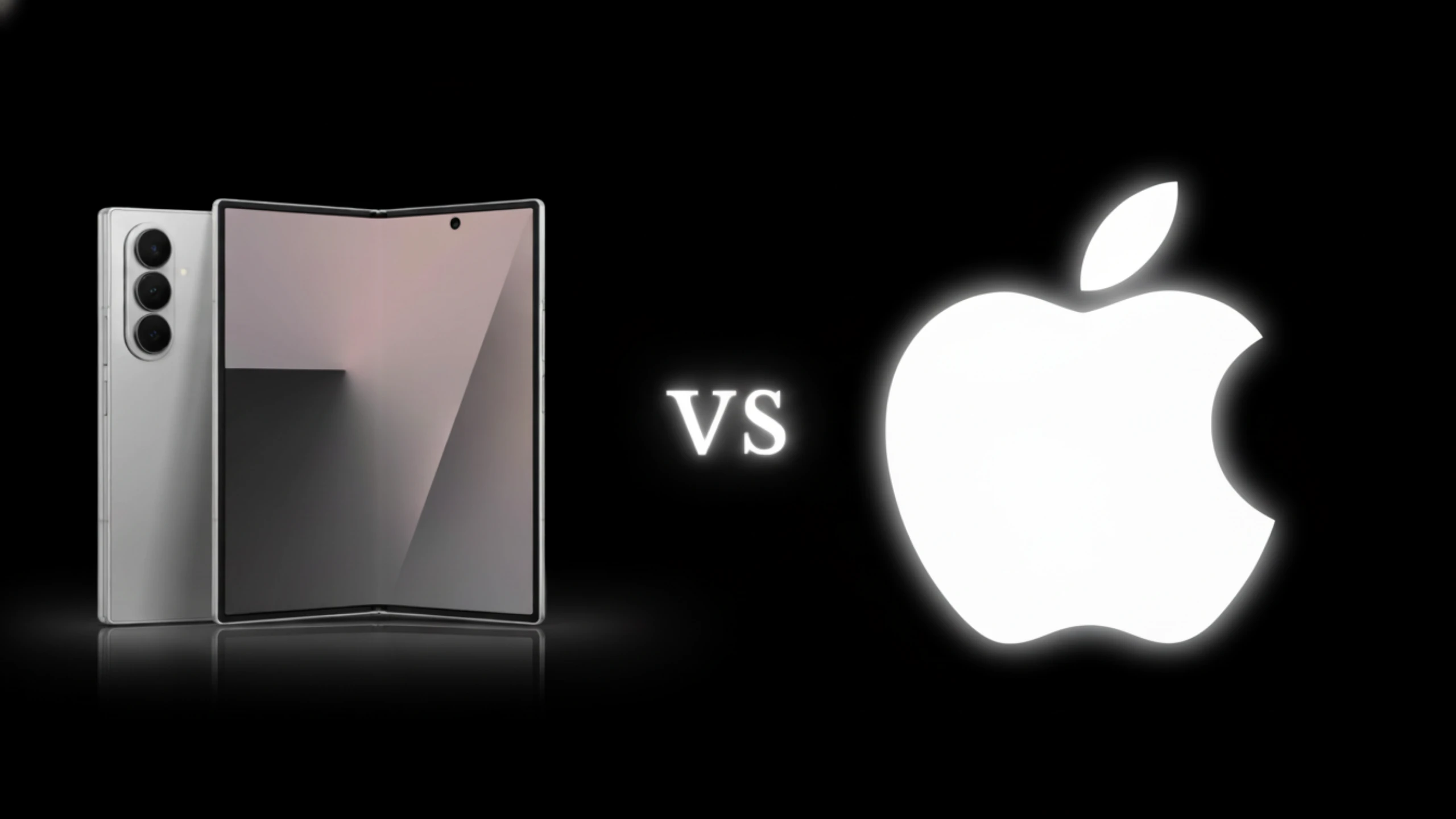
The world of foldable phones is currently at a crossroads. On one side, we have Samsung, which has dominated the market for years but still hasn’t quite escaped that “two phones stacked on top of each other” clunkiness. On the other side, there’s Apple’s mysterious move—the “I’ll wait until it’s perfect” approach. But let’s be real; the question on everyone’s mind remains: Is this hardware truly the future, or are we just carrying around 2026 versions of those old-school Samsung flip phones?
Honestly, every time I pick one up, I just can’t get over that heavy, bulky feel. Anyway, let’s dive straight into the breakdown.
Is the Old “Chunky” Feel Finally Fading?
Let’s face it: nobody wants to drop a fortune on a phone only for it to pull their pants down when they put it in their pocket. That bulky design in foldables has remained a physical barrier no matter how much tech improves. However, 2026 leaks suggest we’re finally approaching the “light and thin” sweet spot.
The iPhone Fold (V68), expected to launch in September 2026, is rumored to arrive with an incredible thickness of just 4.5mm when unfolded. Even when closed, it’s expected to stay around 9-9.5mm, which might finally turn it from a “brick” into a modern smartphone form factor. Samsung is firing back with the Z Fold 8 series, utilizing a new laser-perforated screen technology to eliminate that famous crease and lighten the hinge assembly.
Hardware Showdown: Raw Power vs. Camera Beast
If these devices are going to get lighter, the “engine” inside needs to pull its weight. Much like a high-torque engine in a lightweight chassis, these phones are built for performance:
- Apple iPhone Fold: It’s coming with the A20 Pro chip built on a 2nm architecture; a efficiency-focused beast that powers a massive screen without killing the battery.
- Samsung Galaxy Z Fold 8: In contrast to Apple’s dual-camera setup, Samsung is shouting “I’m here” with a 200MP main camera and S Pen support.
That “Just Works” Software Vibe
No matter how thin a device is, if the software lags, it feels twice as heavy. Apple is determined to solve this with iOS 27 and its “Snow Leopard” philosophy—focusing on stability and speed over pure flashiness.
- App Continuity 2.0: The technology that ensures when you unfold the device, the app expands to the 7.8-inch display instantly without a millisecond of lag.
- Smart Split-Screen: The ability to run two apps side-by-side and speed up your workflow with system-wide drag-and-drop.
Final Verdict: Should We Get Excited?
Samsung has years of experience and a great suite of productivity tools. However, Apple’s promise of a 4:3 aspect ratio and a completely smooth, “creaseless” screen might even tempt those of us who still view foldables as “expensive flip phones.” With prices climbing to the $2,400 mark, these devices need to do more than just “open and close.” Personally, even after all this, I’m still not quite sure what the ultimate goal is. To be honest, they still don’t really appeal to me.

 Veysel Okatan